The BriefStock Research Blog
Financial analysis, valuation methods, and how to read the numbers.
Golden Cross vs. Death Cross: What They Mean for Stock Research
Golden cross vs. death cross: how moving average signals work, their reliability on large-cap stocks, false positives, and combining them with fundamental health scores.

More from BriefStock Research
Price-to-Sales Ratio Explained: When P/E Doesn't Tell the Whole Story
Learn the price-to-sales ratio, when it beats P/E for unprofitable growth stocks, and why ignoring margins can lead to value traps. Real examples from NVDA and AMZN.
What Is a Good P/E Ratio? A Stock-by-Stock Guide
Learn what is a good P/E ratio — sector benchmarks, PEG adjustments, interest rate effects, and when P/E fails. Real examples: AAPL, MSFT, JPM.
Why Working Capital Management Matters More Than You Think
Working capital is more than current assets minus liabilities. Learn why working capital matters for liquidity, efficiency, and competitive advantage, with real data from AMZN, COST, HD, and XOM.
Operating Leverage Explained: How Fixed Costs Drive Profit Surprises
Learn what is operating leverage and how it amplifies profit surprises. See how Microsoft, Walmart, and PayPal illustrate high vs. low leverage. BriefStock shows the work.
How to Analyze Revenue Growth: More Than Just Rising Sales
Learn how to analyze revenue growth beyond the headline number. Master absolute vs percentage, YoY vs QoQ, and sustainable growth with real examples from NVDA, GOOGL, and MDB.
What BULLISH, NEUTRAL, and CAUTIOUS Mean in Stock Research
Learn what BULLISH, NEUTRAL, and CAUTIOUS mean in stocks — how BriefStock uses evidence-based verdicts instead of Buy/Hold/Sell, with real examples from NVDA and TSLA.
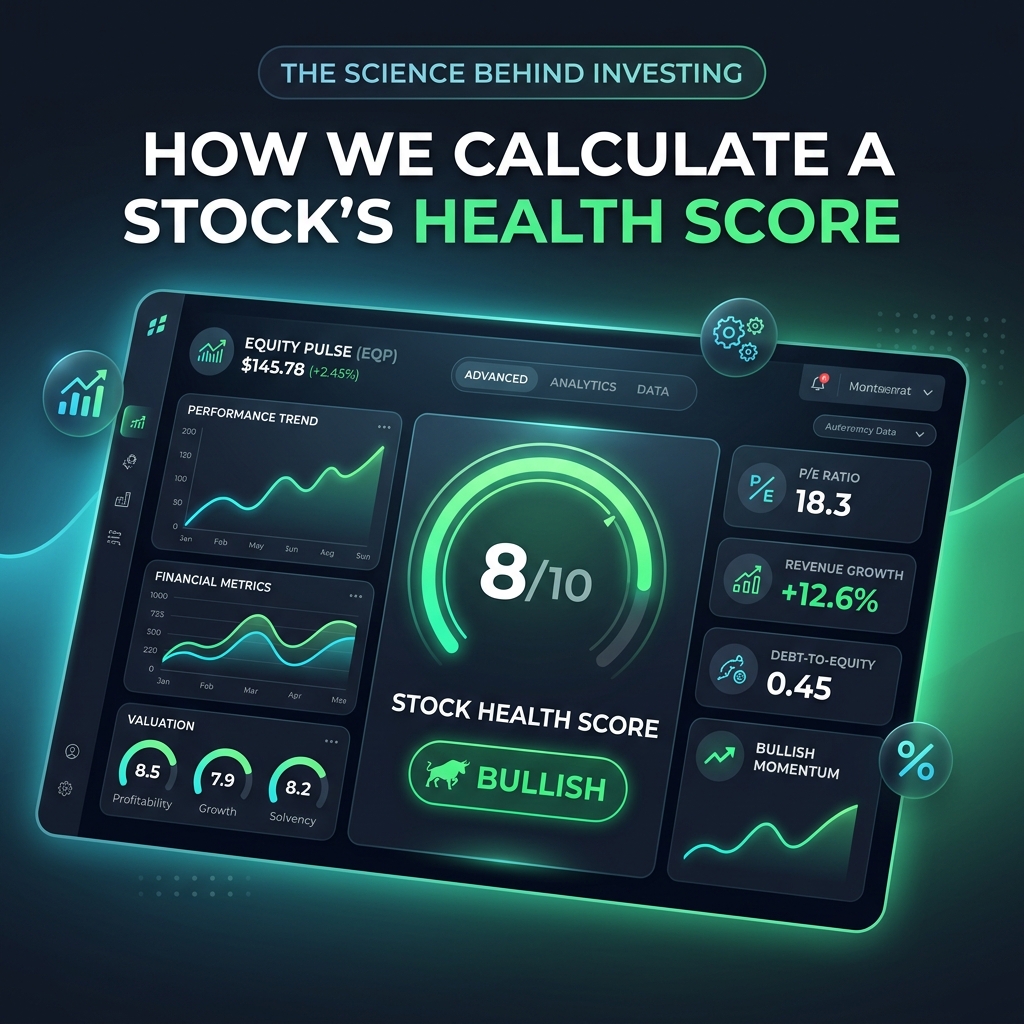
How We Calculate a Stock's Health Score at BriefStock
BriefStock explains its stock health score methodology — five dimensions, weighting, real META and AAPL examples, and honest limitations. Transparent and data-driven.

Why Black-Box Stock Scores Are Dangerous — and What to Use Instead
Black-box stock scores hide flawed data and overfitted models behind a single number. Learn the risks and why transparent verdicts that show their work are safer for serious investors.
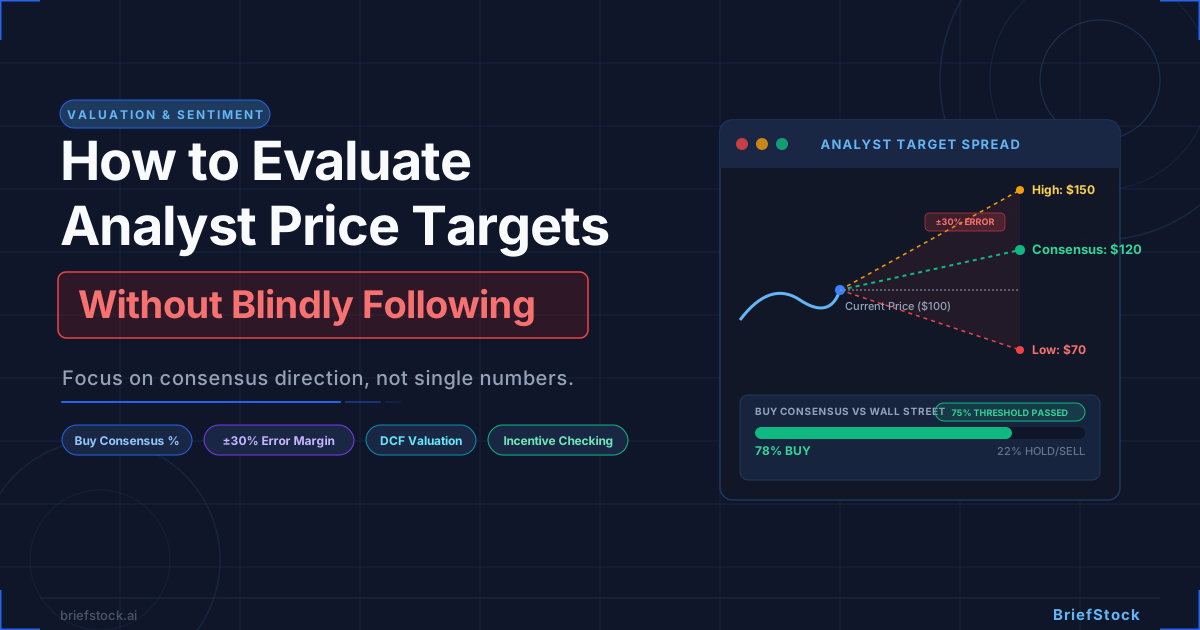
How to Evaluate Analyst Price Targets (Without Blindly Following Them)
Learn how to evaluate analyst price targets without blind faith. Understand accuracy, conflicts, and why consensus direction matters more than any single number.
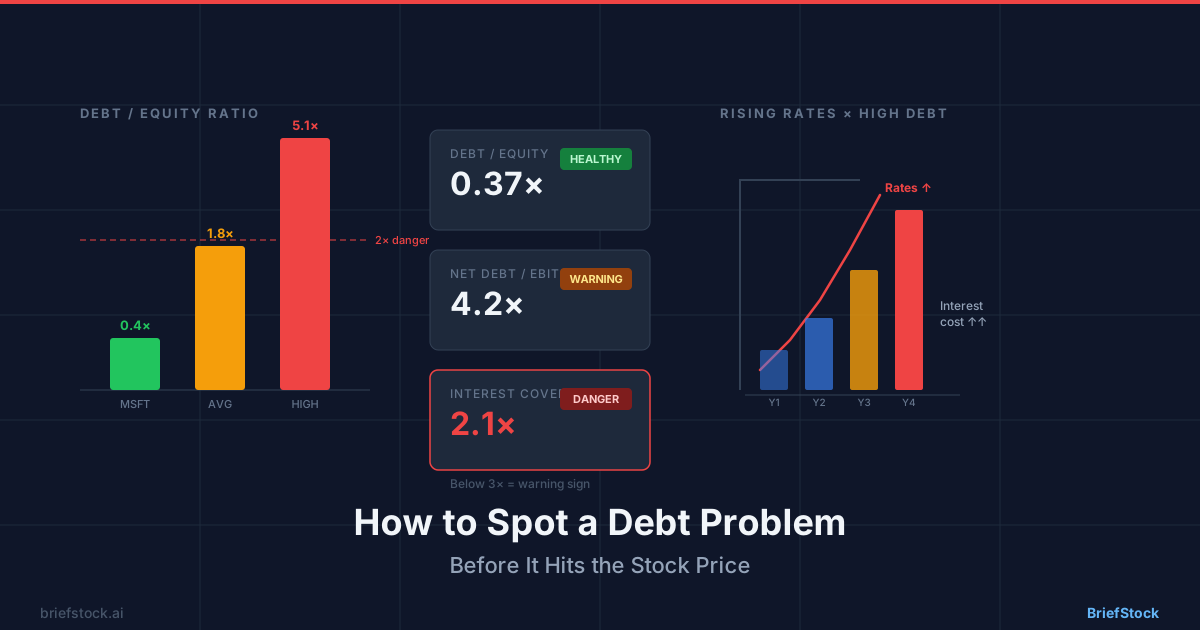
How to Spot a Debt Problem Before It Hits the Stock Price
Learn how to spot a debt problem in stocks using D/E, interest coverage, and net debt/EBITDA ratios. Real examples from META and MSFT, plus danger thresholds you need to know.
What Is Return on Equity (ROE) and Is Higher Always Better?
Return on equity ROE measures how efficiently a company generates profit from shareholder capital. Learn how to decompose ROE using DuPont analysis and why high leverage can make it dangerous—with Apple and JPMorgan examples.

The Best AI Stock Research Tools in 2026: What Actually Shows Its Work
Comparing the best AI stock research tools in 2026 — Seeking Alpha, Morningstar, DanelFin, Zen Ratings, and BriefStock — on transparency and methodology.
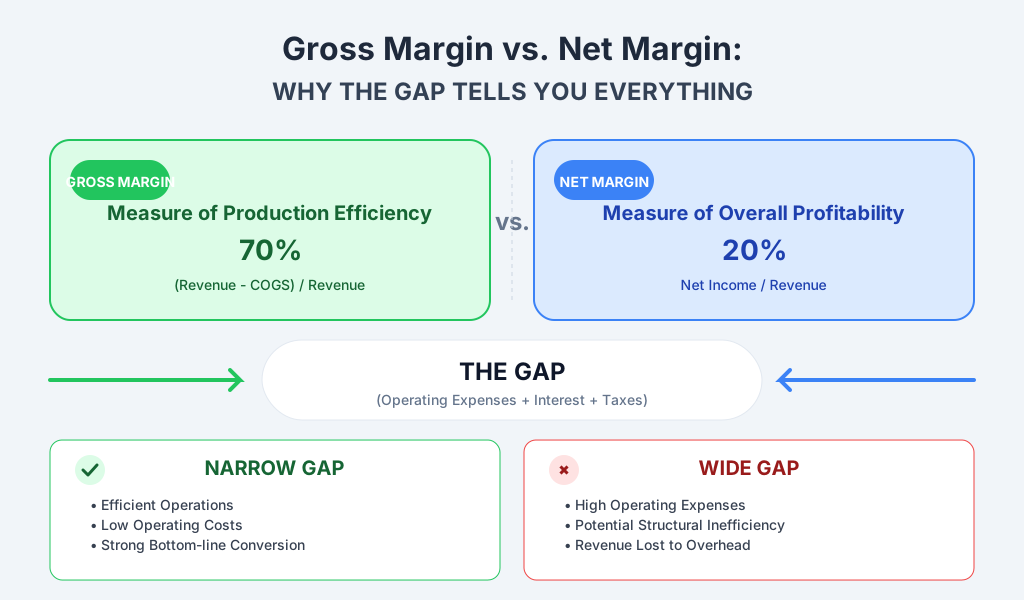
Gross Margin vs Net Margin: Why the Gap Between Them Tells You Everything
Gross margin vs net margin: learn what the spread between them reveals about operating leverage, cost structure, and early warning signs in any stock.
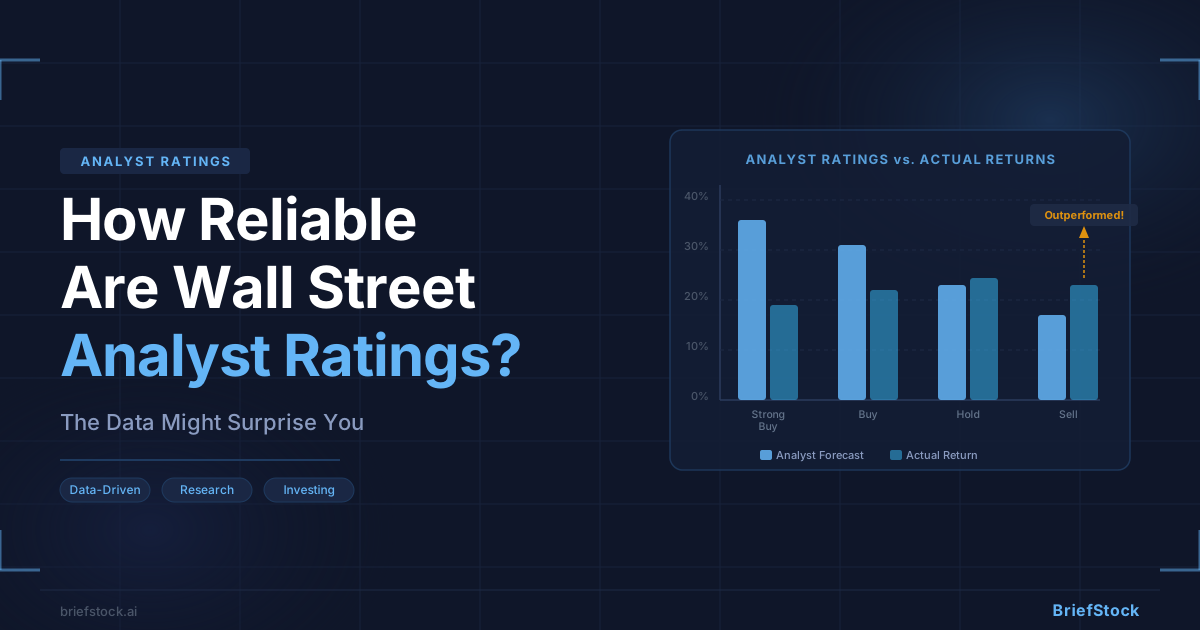
How Reliable Are Wall Street Analyst Ratings? (The Data Might Surprise You)
Wall Street analyst ratings have a mixed track record. Here's what the data actually shows — and why a 75%+ buy consensus threshold matters.
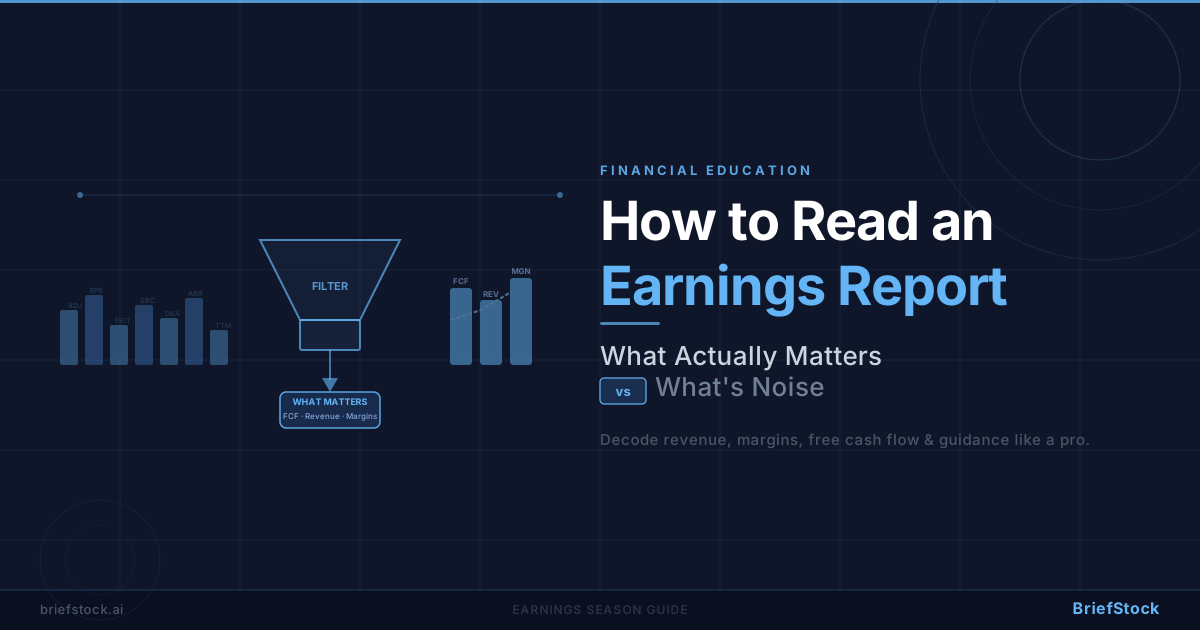
How to Read an Earnings Report: What Actually Matters vs What's Noise
Learn how to read an earnings report like a serious investor — what margins, EPS, and guidance actually signal, and what companies bury in the footnotes.
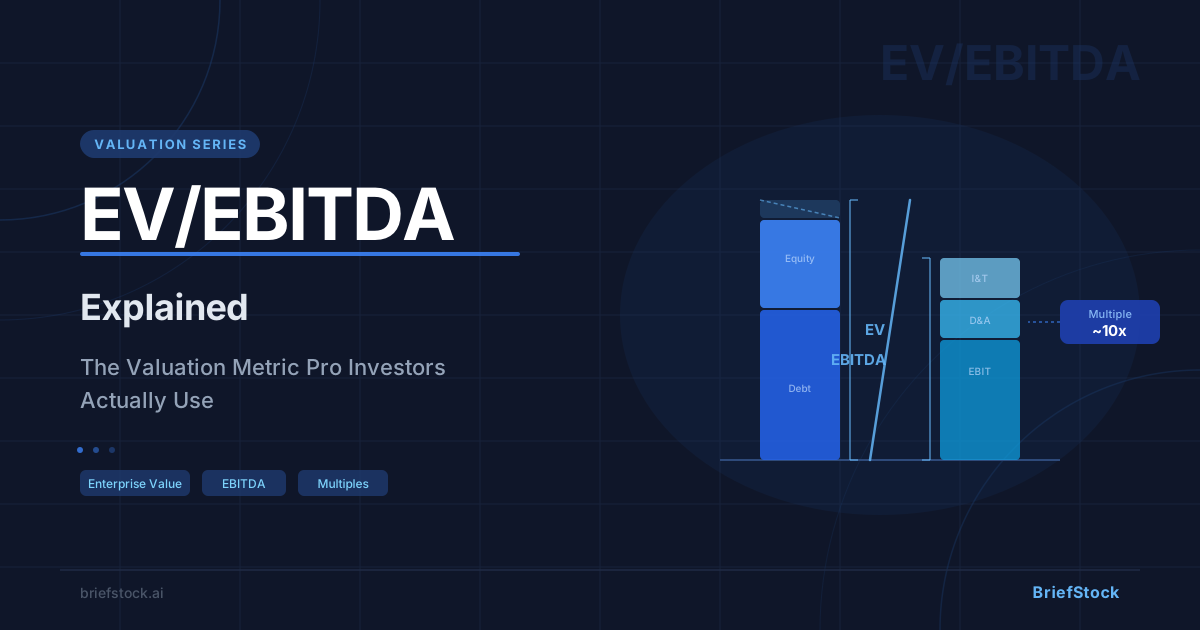
EV/EBITDA Explained: The Valuation Metric Pro Investors Actually Use
Learn what EV/EBITDA is, why it beats P/E for capital-heavy companies, typical sector ranges, and key limitations every serious investor should know.
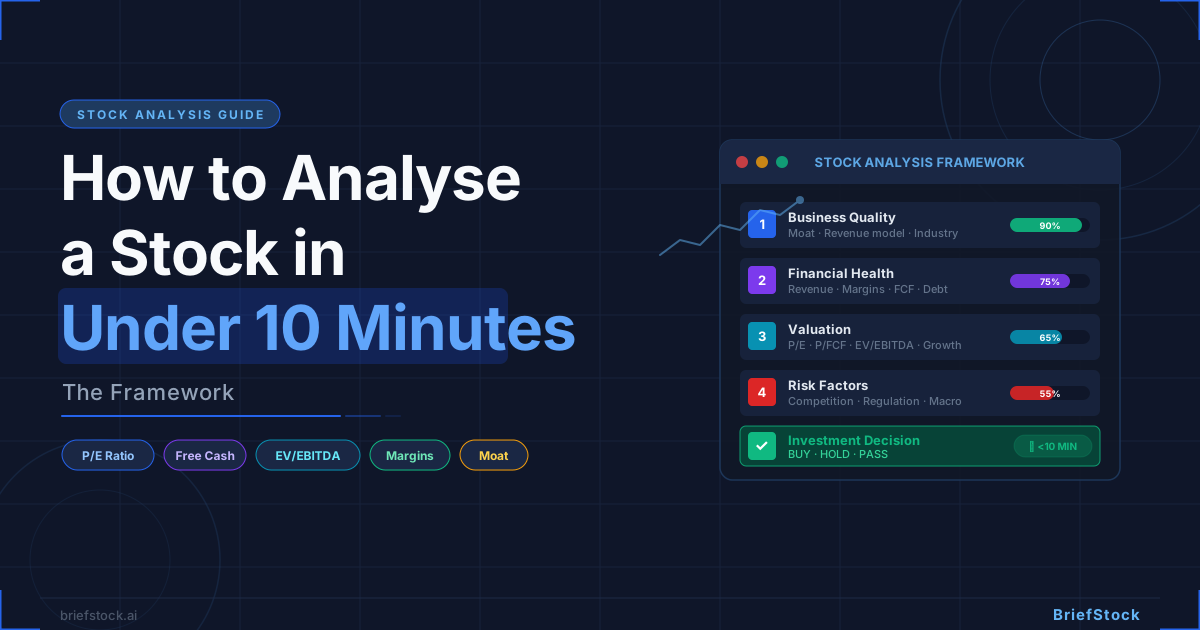
How to Analyse a Stock in Under 10 Minutes (The Framework)
A practical 7-step framework for how to analyse a stock in under 10 minutes — covering valuation, margins, debt, and signals that matter.
RSI, MACD, and Moving Averages: A Fundamentals Investor's Guide to Technical Signals
Learn how RSI, MACD, and moving averages work — and why even fundamentals-focused investors should use them to improve trade timing and context.
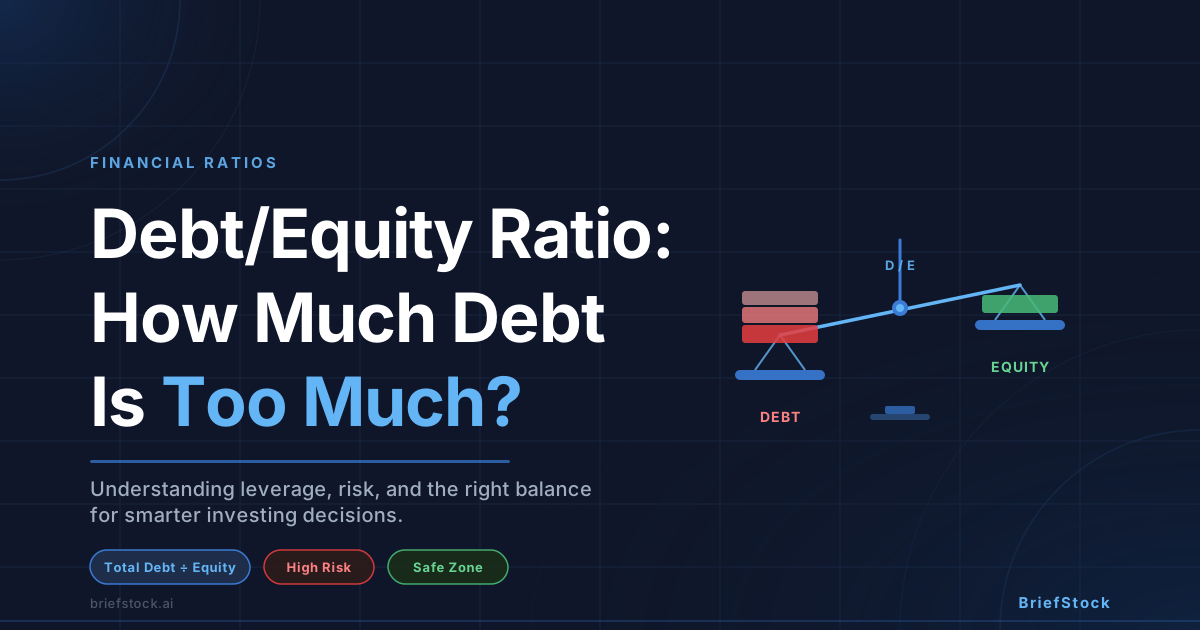
Debt/Equity Ratio: How Much Debt Is Too Much?
The debt to equity ratio explained: why context, interest coverage, and sector norms matter far more than the raw number when assessing debt risk.
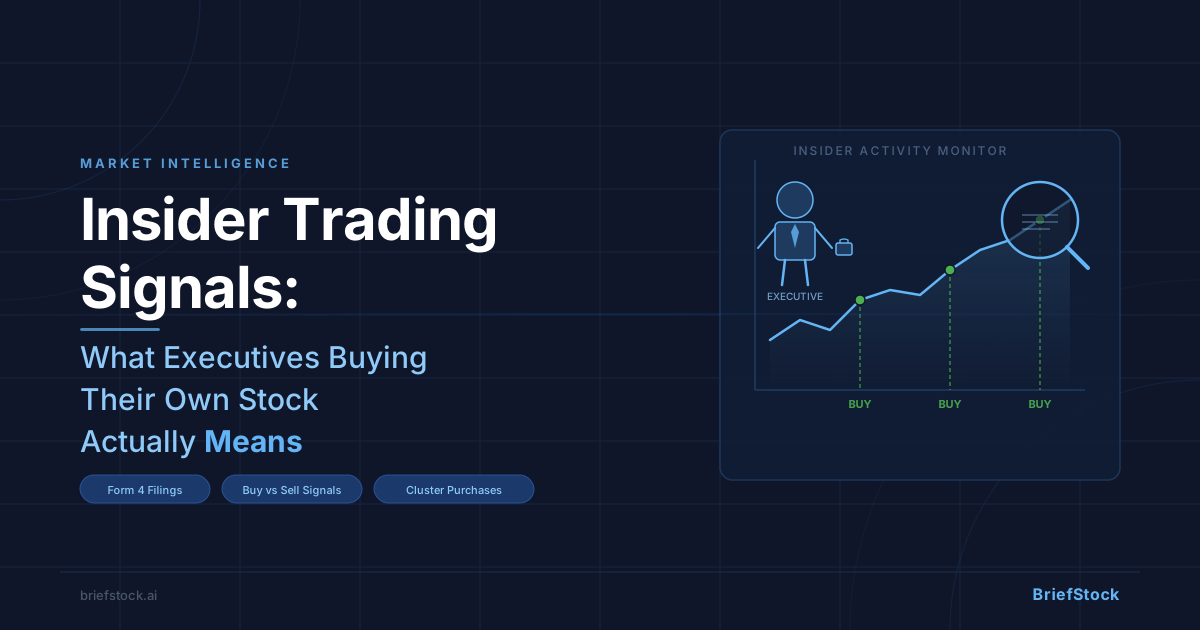
Insider Trading Signals: What Executives Buying Their Own Stock Actually Means
Learn how to read insider trading signals using Form 4 filings — open market buys, cluster signals, and why insider sells tell you less than you think.
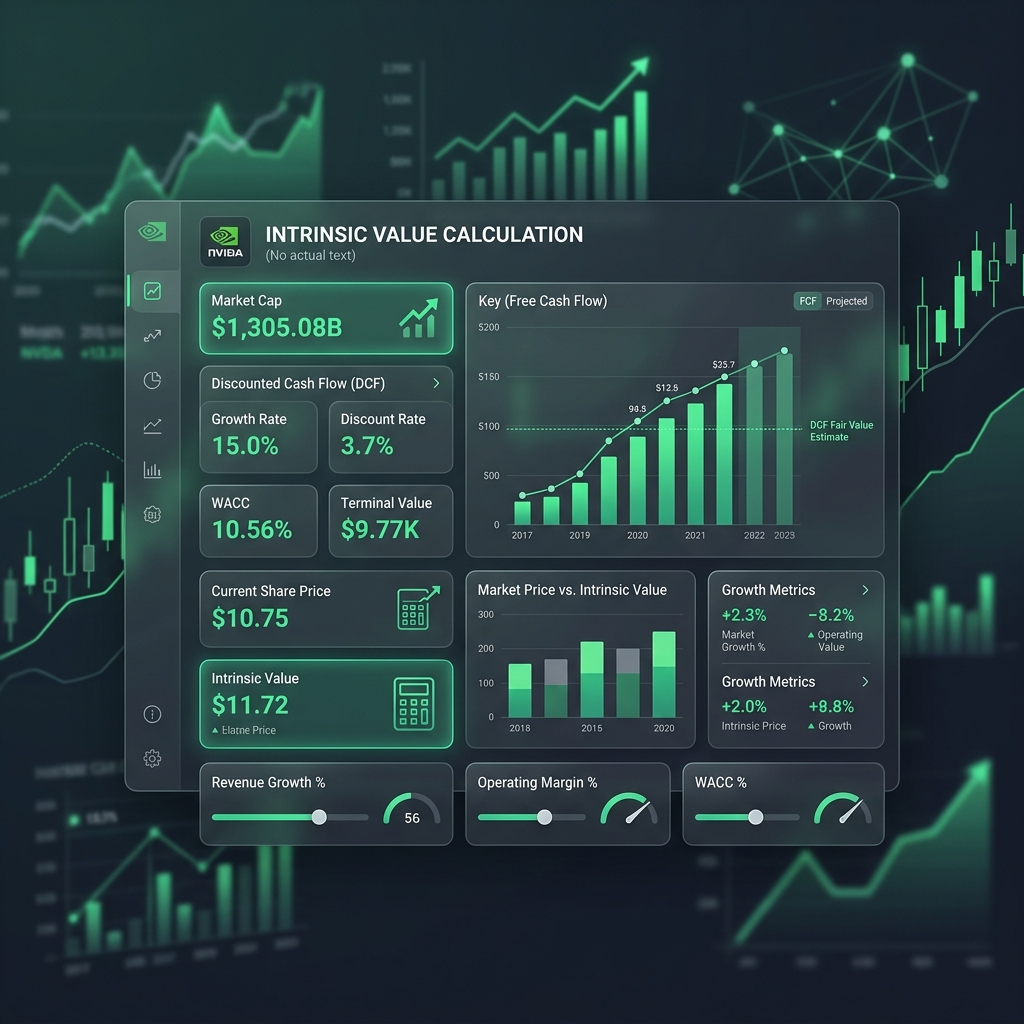
DCF Valuation: How to Estimate What a Stock Is Actually Worth
Discounted Cash Flow is the most rigorous way to value a company. It's also the most misunderstood. Here's a plain-English walkthrough with a real example.

PEG Ratio Explained: The Metric That Fixes P/E's Biggest Flaw
P/E tells you what you're paying. PEG tells you whether it's worth it. Here's how to calculate it, interpret it, and why most investors use it wrong.